Our story
A shared way of life.
We’re Jim and Cara. These days, the homestead is our full-time work and way of life—not a weekend hobby. We both love being outdoors and working in it. But food, gardens and cattle weren’t where this story started.
It started with a question about health.
Years ago, Cara was dealing with unexplained health problems, including hypoglycemic episodes. She needed to eat roughly every two hours to help avoid an attack. For approximately six years, even a university specialist and professor at St. Louis University was unable to determine the underlying cause.
Multiple medications were proposed. We kept researching, asking questions and looking more closely at nutrition. Eventually, dietary changes resolved Cara’s hypoglycemia experience. That changed the way we thought about food—and about looking beneath the symptoms.
This is our personal history, not medical advice or a claim that diet will cure someone else’s condition. Health concerns and medication decisions belong in a conversation with a qualified healthcare professional.
From buying food to growing it.
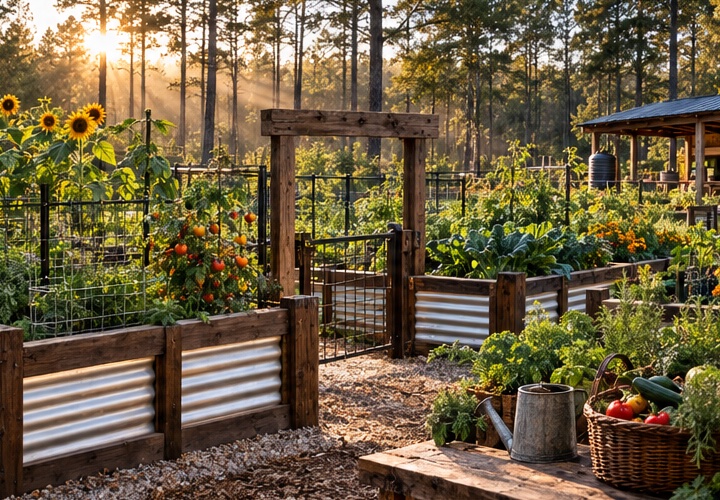
We began paying closer attention to food quality and how little control we had over what ordinary grocery-store food brought home with it. Growing more of our own food gave us a more direct say in that process. We’ve raised our own cattle, built gardens and looked for practical ways to avoid unnecessary pesticide and herbicide exposure.
Somewhere along the way, we realized we enjoyed the work itself. Being outside, building something useful and watching a system improve became as important as the food coming out of it.
Research is only useful if it works in real life.
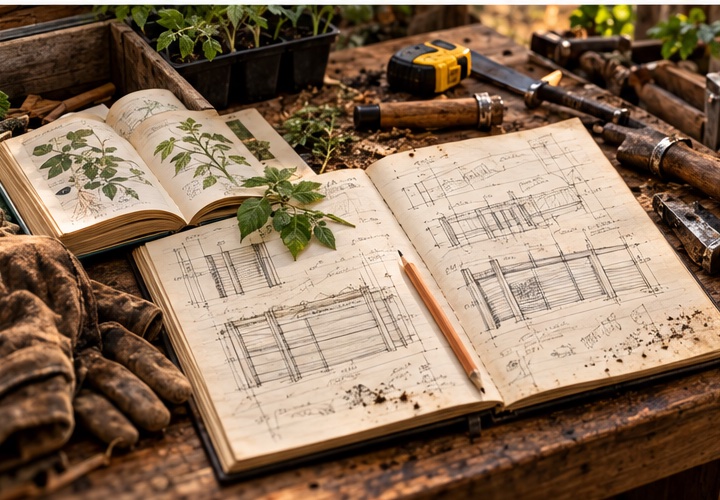
When we get into something, we tend to go well past the basics. Health, nutrition, gardening, soil, permaculture, regenerative agriculture, building—we want to understand the mechanisms, the relationships and what will still work years from now.
During drought periods in East Texas, nearby gardens struggled or died from water stress while our raised beds continued performing well. We had used hugelkultur-style principles to build soil and hold moisture. The beds weren’t drought-proof. They were an example of thinking about water before the shortage arrived, rather than trying to patch the problem afterward.